Welcome, today I'll be discussing the Karlsruhe Institute of Technology's research "Revolutionary Gas Turbine Generates Power Without Air Compression." The researchers built a gas turbine that creates pressure with detonation waves instead of a mechanical air compressor. They became the first team to generate electricity this way, and their turbine ran longer than NASA's version of the technology.
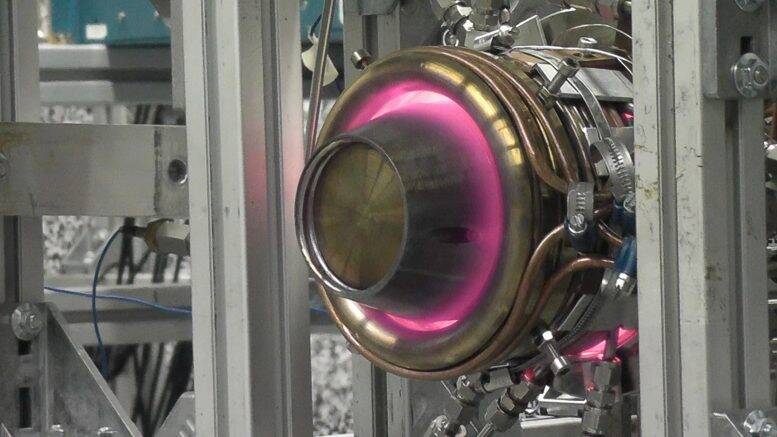
- A normal gas turbine, like those in power plants or under airplane wings, uses about half of its own power just to compress air before burning fuel, which leaves that power unavailable for making electricity.
- The KIT turbine skips the compressor completely and uses a method called pressure-gain combustion, where detonation waves inside the combustion chamber create the pressure instead.
- These detonation waves form naturally from patterns of swirling vortices and interacting waves, which raise the pressure without any moving parts.
- Getting rid of the compressor reduces energy loss, makes the system simpler, and improves overall efficiency.
- Earlier versions of this system could only run for a few moments before the combustion chamber overheated and failed, but the KIT team got it running for more than five minutes, almost a minute longer than NASA's.
- The turbine can run on different fuels, but hydrogen works especially well because it reacts so quickly that it keeps the pressure rise stable.
- Connecting a turbine to such a fast and intense combustion chamber is extremely hard, but the KIT team became the first to do it successfully and produce electricity.
- Professor Daniel Banuti called it an important step toward efficient, flexible hydrogen energy for a fossil-free energy system, and the technology could lead to lighter, cheaper turbines for power plants and possibly airplanes.
Add comment
Comments